Garbage Disposal Repair in San Francisco, CA
Garbage disposals rarely stop working without warning. The sink begins draining more slowly, grinding sounds change, or the unit hums without fully processing waste. In San Francisco kitchens where sink usage is frequent, and plumbing layouts vary between older homes and compact condo systems, small flow disruptions quickly become noticeable. Garbage disposal repair in San Francisco, CA, should focus on how waste breaks down, moves through the drain system, and exits the plumbing path so the sink returns to smooth, reliable flow instead of repeated backups and grinding resistance.
Why Disposal Problems Usually Start As Drainage Changes
Garbage disposals operate through coordinated grinding, water flow, and waste movement. Small changes inside the system often appear first through slower drainage or altered grinding behavior rather than complete failure. Waste may stop breaking down evenly, causing heavier particles to move into the drain system and gradually restrict flow. A disposal that still runs can quietly lose grinding efficiency over time. Reduced motor response, impeller resistance, or partial blockage changes how material moves through the drain path. These shifts often create recurring sink problems long before the disposal itself completely stops operating.
- Grinding Efficiency Controls Waste Breakdown Consistency
- Drain Flow Determines How Smoothly Waste Exits
- Motor Torque Supports Stable Grinding Performance
- Impeller Movement Influences Drainage Pressure Balance
- Water Flow Affects Waste Transport Through Pipes
- Drain Path Restriction Increases Recurring Backup Risk
- Early Diagnostics Reduce Long-Term Plumbing Strain
In compact San Francisco kitchens where disposals operate frequently, these small inefficiencies become more noticeable because heavy sink usage amplifies even minor flow disruption inside the drainage system.
Our Expertise In Fixing Sink Flow & Drain
Garbage disposal performance changes depending on how the sink system is designed and how frequently it is used. Older homes in neighborhoods like the Sunset District may experience slower drainage patterns through aging plumbing layouts, while compact SoMa condo kitchens often rely on tighter drain configurations that become sensitive to buildup much faster.
L&M Appliance Repair LLC approaches garbage disposal troubleshooting in San Francisco by evaluating how the unit behaves during active grinding and drainage instead of focusing only on visible clogs. Grinding resistance, motor behavior, impeller movement, and sink flow response are reviewed together to understand how the disposal performs under real kitchen conditions.
- Grinding Review: Waste breakdown and grinding consistency are evaluated during active use.
- Flow Analysis: Drain speed and pressure behavior are reviewed carefully.
- Motor Response Check: Torque resistance and grinding load are tested together.
- Repair Direction: Solutions focus on restoring balanced grinding and drainage movement.
Garbage Disposal Repair Services For Smooth Operations
Residential garbage disposal repair in San Francisco requires more than restarting the unit or clearing visible obstructions. Disposals depend on balanced grinding force, stable motor response, smooth impeller movement, and unrestricted drain flow to maintain reliable operation.
Garbage Disposal Grinding And Motor Repair
The motor controls the grinding force required to process waste consistently. When torque weakens or internal resistance increases, grinding becomes uneven, and the unit struggles under heavier loads. Repair restores smoother grinding behavior and steadier waste breakdown.
Impeller Movement And Drain Flow Repair
Impellers help move processed waste through the drain system. Restricted movement affects how efficiently material exits the disposal, leading to slower sink drainage and recurring backup pressure. Repair restores smoother waste movement through the plumbing path.
Garbage Disposal Humming And Jam Repair
A disposal that hums without spinning often indicates internal resistance or restricted component movement. The unit receives power but struggles to complete the grinding cycle normally. Repair focuses on restoring free movement and reducing repeated jam conditions.
Drainage And Flow Restriction Repair
Some disposal problems originate from how waste moves after grinding rather than the grinding process itself. Partial drain restriction, buildup, or uneven waste breakdown affects overall sink performance. Repair restores more balanced drainage flow and smoother sink operation.
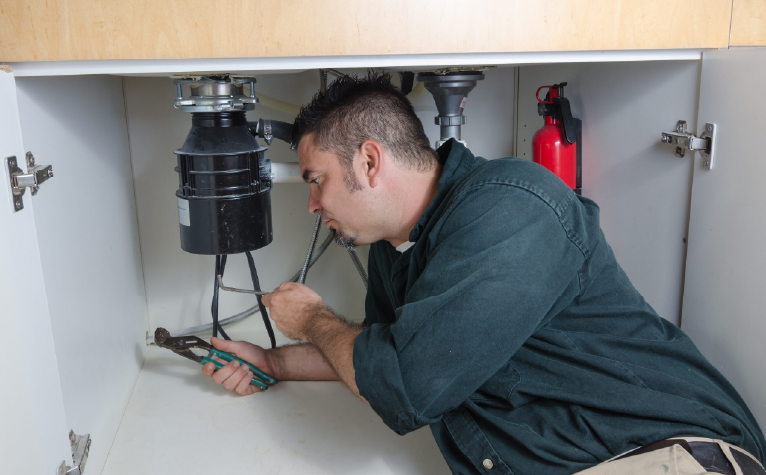
Hidden Garbage Disposal Issues That Quietly Affect Sink Performance
Some garbage disposal problems remain subtle because the unit still runs, but the internal flow balance gradually becomes less stable. These hidden conditions often become more noticeable in high-use kitchens where repeated grinding cycles slowly increase strain across the sink and drain system.
Grinding Resistance And Internal Wear
Repeated grinding gradually affects internal components and reduces how efficiently waste breaks down. Small resistance changes often appear first through altered grinding sounds or slower processing behavior.
Drain Path Buildup And Flow Restriction
Particles that are not fully processed accumulate further down the plumbing path. Over time, this restricts drainage flow and increases recurring sink backup risk.
Motor Compensation Under Heavy Loads
As internal resistance increases, the motor works harder to maintain the grinding force. The disposal may continue operating normally while slowly developing louder or slower grinding cycles.
Water Flow Imbalance During Operation
Garbage disposals depend on balanced water movement to flush processed waste effectively. Inconsistent flow during operation allows debris to settle and gradually affects sink drainage performance.
Different Brands' Performance Issues In Garbage Disposal Machines
InSinkErator systems commonly reveal performance issues through gradual grinding resistance and slower waste processing under repeated use. KitchenAid disposals are particularly sensitive to drain-flow imbalance and impeller restriction inside compact plumbing systems. GE disposal units often show motor strain through humming behavior and delayed grinding response during heavier loads, while Whirlpool systems rely heavily on stable water movement and consistent grinding force to maintain smooth drainage behavior. Each disposal design reacts differently to repeated grinding demand, plumbing layout, and sink usage patterns.
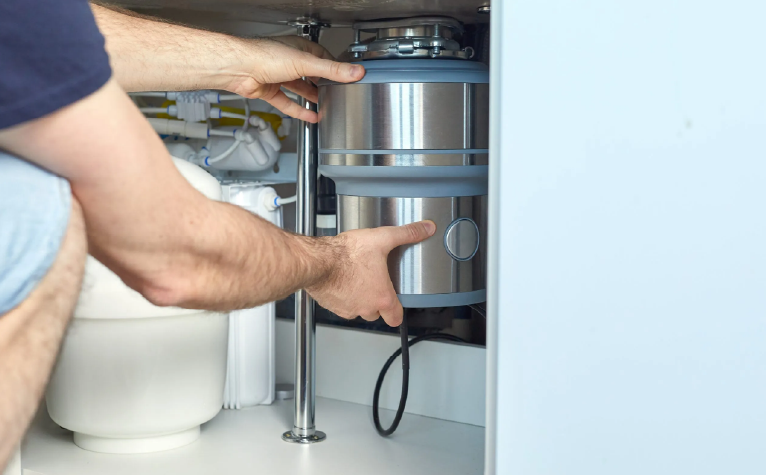
What Changes After A Detailed Garbage Disposal Repair
A complete repair should improve how the sink and disposal system behave together, not simply restore power to the unit. Grinding should feel smoother, waste should move through the drain more consistently, and the sink should recover faster during repeated kitchen use. In San Francisco kitchens where disposals often operate within compact plumbing systems and high-use cooking spaces, these adjustments matter because small grinding or drainage imbalances gradually affect the entire sink flow process. Garbage disposal repair in San Francisco, CA, helps restore balanced waste movement by correcting the grinding, motor, and drain-flow conditions behind recurring sink problems.





Frequently Asked Questions
This usually happens when grinding efficiency begins to weaken before the disposal fully fails. Waste is still processed, but larger particles move into the drain system and gradually reduce water flow through the plumbing path.
Heavier kitchen use increases the amount of waste and grease moving through the disposal system. If grinding efficiency or drain flow is already slightly restricted, repeated use amplifies the imbalance and increases jam conditions much faster.
A running disposal does not always mean waste is moving properly through the drain system. Partial blockage, restricted impeller movement, or buildup further down the plumbing line can allow water and debris to collect despite active grinding.
Humming usually means the motor still receives power, but internal movement is restricted. The grinding system attempts to rotate but encounters resistance that prevents the disposal from completing the normal processing cycle.
Compact kitchens often rely on tighter plumbing layouts where flow margins are smaller. Small buildup or partial restriction affects drainage more quickly because waste and water have less room to move efficiently through the system.
Maintenance becomes important when grinding sounds change, sink drainage slows, or resistance increases during operation. Addressing these early signs helps reduce long-term strain on both the disposal and the connected drain system.
Appliance Repair Coverage Across San Francisco Neighborhoods
L&M Appliance Repair LLC services homes, apartments, condos, and mixed-use properties throughout San Francisco, including coastal neighborhoods, downtown high-rises, historic districts, and compact urban residential environments.
Maintain Smooth Kitchen Systems Running With L&M Appliance Repair
Services
- Appliance Installation
- Kitchen Appliance Repair
- Refrigerator Repair
- Water Heater Repair
- Dishwasher Repair
- Washer & Dryer Repair
- Electric & Gas Range Repair
- Stove Repair & Maintenance
- Built-In Refrigerator Repair
- Cooktop Repair & Maintenance
- Ice Machine Repair
- Wine Cooler Repair
- Trash Compactor Repair
- Garbage Disposal Repair
- Commercial Appliance Repair
- Commercial Refrigeration Repair
- Commercial Ice Machine Repair
- Commercial Cooking Equipment Repair
- Commercial Washer & Dryer Repair
- Commercial Dishwasher Repair

Call Us Now!
Timings:
- SUNDAY to FRIDAY: 8 AM to 8 PM
- SATURDAY: CLOSED