HOURS OF OPERATION

Appliance Installation Services in San Francisco, CA

Installing a new appliance in San Francisco often starts with a space that was not designed for today’s appliance sizes, utility needs, or ventilation demands. Tight condo kitchens, older Victorian layouts, garage laundry areas, and high-rise utility closets can all affect how a unit fits and performs. Appliance installation services in San Francisco, CA, should do more than place the appliance and connect it. Proper setup checks clearance, leveling, hookups, airflow, and load behavior so the appliance can operate without developing avoidable strain after daily use begins.

L&M Appliance Repair LLC

Get Your Appliance Installation Done Right

Why Expert Appliance Installation Is Necessary For San Francisco Homes?

New appliances can appear to work correctly at first, even when the installation is creating hidden stress. A refrigerator may cycle too often because heat cannot escape. A dishwasher may drain poorly because the hose angle is wrong. A dryer may take longer because the vent path is restricted. In San Francisco homes, where compact layouts and older utility points are common, careful appliance setup service helps prevent small installation errors from becoming repeated performance problems.


  • Refrigerator Placement That Supports Heat Release
  • Dishwasher Hookups Balanced For Water Flow
  • Oven And Cooktop Setup For Stable Heat Output
  • Washer And Dryer Alignment For Reduced Vibration
  • Range Hood Positioning That Improves Air Movement
  • Utility Connections Secured For Long-Term Stability
  • Appliance Spacing Adjusted For Daily Use Conditions


Proper appliance installation protects more than the appliance. It supports food storage, cooking consistency, laundry performance, ventilation, and water safety. When fitting, leveling, and connections are handled correctly from the beginning, the appliance works with the home’s layout instead of compensating for it. 

Why Experience For Setup Matters For Better Installation

Every installation begins with the actual space, not just the appliance manual. A built-in refrigerator near tight cabinetry needs room for heat release. A dishwasher in an older kitchen may need water and drain alignment checked before placement. A laundry pair in a garage or closet may require stable leveling and vent review. L&M Appliance Repair LLC plans installation around clearance, connection stability, airflow, and the way the appliance will be used every day.

  • Placement Review: The appliance is positioned around real cabinet, wall, floor, and doorway limits.
  • Hookup Verification: Electrical, water, drainage, gas, and vent points are checked before final setup.
  • Fit and Clearance Planning: Spacing is reviewed so doors, drawers, hoses, and vents function properly.
  • Performance Check: The appliance is tested for stable operation after installation, not only basic power. 

Appliance Installation Services For Kitchen And Home Systems

Home appliance installation in San Francisco needs a practical understanding of how different units behave after setup. Some appliances depend on airflow. Others depend on secure water movement, stable heat output, or balanced load control. A complete appliance fitting service reduces the chance of vibration, leaks, weak heating, poor drainage, or early component strain. 

Refrigerator And Freezer Installation

A refrigerator installation can underperform when cabinet spacing traps heat around the condenser or prevents the door seal from closing evenly. Proper placement, leveling, and clearance help the cooling system release heat, maintain temperature, and reduce excessive cycling after food storage begins. 

Dishwasher Installation And Drainage Setup

Dishwasher installation depends on more than sliding the unit into place. Poor hose routing, loose water lines, or uneven positioning can cause leaks, residue, and slow drainage. Correct hookup and alignment support cleaner cycles and reduce strain on the pump and seals. 

Oven, Cooktop, And Range Hood Installation

Oven installation, cooktop installation, and range hood installation require stable power or gas connections, safe spacing, and proper ventilation paths. When heat output and air movement are handled correctly, cooking performance becomes steadier and surrounding cabinets face less heat-related stress.

Washer, Dryer, And Water Heater Installation
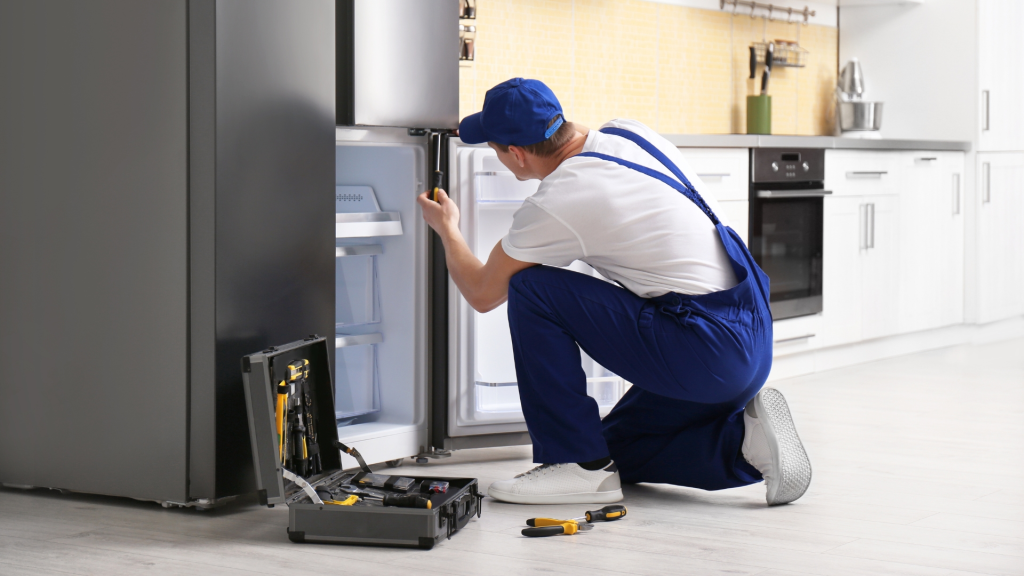
Washer installation, dryer installation, and water heater installation require secure utility connections and balanced positioning. Poor leveling, vent restriction, or weak hookup points can create vibration, moisture buildup, slow drying, or inconsistent heating, while proper setup supports safer daily operation.

Hidden Installation Issues That Affect Appliance Performance

Some installation problems stay invisible until the appliance is used repeatedly. The unit may turn on, finish a cycle, or heat normally during the first test, but deeper issues appear under daily load. In compact apartments, coastal moisture conditions, and older San Francisco buildings, small setup errors can gradually affect drainage, heat release, load balance, and connection stability.

Level And Load Balance Problems

A unit that sits slightly unevenly may vibrate, shift, drain poorly, or stress internal moving parts. This is especially common with laundry units, dishwashers, and refrigerators, where daily operation depends on stable weight distribution.

Connection Stability Issues

Loose water, gas, electrical, drain, or vent connections can create intermittent problems after use begins. The appliance may pass an initial test but later develop leaks, weak heating, drainage delays, or power interruptions under heavier demand.

Compatibility Gaps With Existing Spaces

A new appliance may not match older cabinet openings, outlet locations, shutoff valves, or vent routes. Without adjustment, the appliance can operate under strain because the surrounding setup does not support its size, clearance, or utility requirements.

Airflow And Heat Retention Limits

Built-in appliances need enough space for heat and moisture to move away from the unit. Restricted airflow around refrigerators, dryers, ovens, or range hoods can increase cycling, reduce efficiency, and shorten component life over time.

How Different Appliance Systems Respond To Installation Methods

Samsung and LG appliances often rely on sensors, digital controls, and cycle logic that respond poorly when leveling, airflow, or hookup conditions are off. Whirlpool and KitchenAid units are built for steady daily use, but they still depend on proper placement, water movement, and ventilation. Installation methods should account for these system differences instead of treating every brand as a basic plug-in appliance.

How Installation Affects Daily Appliance Performance

A completed installation should improve how the appliance behaves during normal use, not simply confirm that it turns on. Proper setup can support steadier cooling, cleaner wash cycles, smoother drum movement, better heat control, safer venting, and fewer repeated adjustments. For San Francisco homes with older floors, tight cabinetry, and limited utility access, these details matter because installation stress often shows up later as noise, leaks, long cycles, overheating, or poor output. Appliance installation services in San Francisco help reduce those issues by aligning the appliance with the home before daily strain begins.

Frequently Asked Questions

New appliances may underperform when the setup does not match the home’s clearance, airflow, water pressure, or electrical conditions. A unit can turn on successfully but still operate under strain if it is slightly uneven, poorly vented, or connected to an unstable utility point.
Refrigerators release heat while maintaining internal temperature. When tight cabinetry blocks airflow around the unit, heat stays near the condenser area and forces longer cooling cycles. In compact kitchens, proper clearance helps reduce compressor strain and supports steadier food storage temperatures.
Dishwasher leaks often come from hose alignment, loose water connections, poor leveling, or drain routing problems. The leak may not appear during the first short test, but can develop during full wash cycles when water pressure, vibration, and drainage movement increase.
Dryer performance can drop when the vent path becomes crushed, extended, clogged, or poorly aligned during setup. Restricted airflow traps moisture inside the drum, forcing longer heat cycles and placing more load on the dryer’s heating and exhaust system.
Compact apartment layouts can limit door swing, vent space, hose movement, and access to shutoff points. These limits make appliance mounting service and fitting more important because the unit must operate safely without blocked airflow, stressed connections, or poor service access.
Installation should be reviewed when unusual noise, longer cycles, weak heating, slow drainage, vibration, or inconsistent cooling appear within the first few weeks. These signs often point to leveling, clearance, hookup, or airflow issues rather than a defective appliance.

Appliance Repair Coverage Across San Francisco Neighborhoods

L&M Appliance Repair LLC services homes, apartments, condos, and mixed-use properties throughout San Francisco, including coastal neighborhoods, downtown high-rises, historic districts, and compact urban residential environments.

Book Appliance Installation With L&M Appliance Repair LLC